즐겨찾기 추가하기


본문
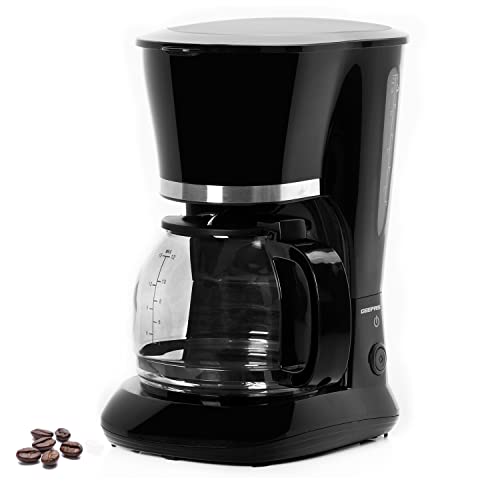 Drip Coffee Machines
The heated water is then poured into a filter and soaked over time in order to release the oils and flavors. The brew strength can be adjusted to suit your personal preferences.
These machines are ideal for busy families as they make a pot of espresso quickly and effortlessly. But they don't necessarily offer the same control and quality as a pour-over device.
Convenience
They are popular because they make home brewing convenient and simple. They are available in various styles and features, however they all work the same method. After you've added the correct amount of water, your machine will heat up and drip the water over the grounds of the coffee into the pot. It usually takes 5-10 minutes to make the perfect cup of coffee.
Many drip coffee makers come with additional settings that allow users to alter the brew they make. For example, some models come with a timer feature that lets you choose the exact time that you want your coffee to be ready. You can also choose a specific grind size for your coffee grounds, which helps ensure the best extraction of flavors and oils in the beans. Some drip coffee machines offer a different setting called "strong" to allow you to modify the strength of your brew.
Another important feature to consider when selecting a drip coffee maker is the amount of cups it can hold. Typically, drip coffee makers are able to serve between 4 and 12 cups of varying sizes at a time. This makes them a great choice when you have a large number of people coming over and want to serve everyone freshly brewed coffee.
While coffee lovers who love to improve their barista skills and discover more about the science of making coffee might prefer manual methods such as pour over drip coffee, it's a great option for those who need convenience. While it's true that a drip coffee maker can't give you the same taste as a meticulously crafted pour over, it will suffice for the average person.
If you are a fan of drip coffee, you should be aware of the jargon used in the industry so you can understand technical terms like the temperature of brewing and the capacity of the carafe. If you're new to drip coffee, it may be necessary to try different settings and ingredients to find the perfect brew. Once you've found the perfect cup of coffee makers drip, your mornings will be back to normal.
Brewing Control
Many drip coffee machines come with a variety of brewing control options that give users greater control over their brew. Certain models offer a variety water temperature settings while others offer a selection of different types of coffee grounds. If you are a fan of certain types of coffee, these features can be a major difference in the taste and aroma of their coffee.
These machines use hot water and ground beans to produce the coffee which can be served right after brewing. This type of machine includes a reservoir with a filter system, showerheads, and a carafe as its basic components. Some models come with an automatic temperature control.
The water in the reservoir is heated by the heating element while it travels through the tubing. The piping directs the water to the basket, where it is soaked by the beans that are ground. Once the beans are completely saturated then the water starts to drip through the filter and into the carafe, where it is kept warm to serve.
Certain machines have a programmable timer filter coffee machine (http://web011.dmonster.kr/bbs/board.php?bo_table=b0501&wr_id=2011864) that will stop the coffee brewing process at a certain time. This is beneficial if you are making more than one cup of coffee at a time, or when you have guests coming over. Other models have an auto-shutoff feature which stops the brewing process if the reservoir is not full or the water is at a boil temperature.
Single-serve pods are yet another method of brewing you can find on some drip coffee makers. These small pods contain coffee beans that have been measured and ground that are placed into the filter of the coffee maker. Then, a pre-set amount of hot water runs through the grounds and into your mug.
This method of brewing coffee is usually more caffeinated, as the water is heated faster. It's a great choice for those who prefer a strong cup of coffee. Some models have a pour-over brewing mode which produces a delicate cup without over-extracting the flavor.
Cleanliness
The warm, moist environment of a drip machine can harbor bacteria and yeast. It is essential to clean your drip coffee maker on a regular basis at least daily or after each use, and at least once per month to remove these germs and avoid clogging. Fortunately, regular cleaning using ingredients you already have in your kitchen will keep your coffee maker clean and fresh.
The daily cleaning is simple: Unplug the drip coffee maker, then remove the lid and carafe and the filter basket, and wash them in warm soapy water in the sink or on the top rack of your dishwasher, if it's marked. Rinse well and dry the components before returning them to your coffee maker. Clean the outside of your coffee maker using a an abrasive, damp cloth. Be sure to clean the warming plate and sprayhead above the basket. These are typically difficult to reach, and the sprayhead can collect the mold, which can irritate nasal passages and respiratory system in those who are susceptible.
While you're washing your removable parts spray the carafe as well as the filter basket with pure white vinegar to remove any oily residue. You can rinse them and wipe them clean with a damp towel or warm soapy water in the sink, according to the instructions in the owner's manual.
Other than oils, a frequent issue is limescale, also known as mineral deposits that can affect the heat of your pot's brew as well as the taste. You can remove the build-up with the 50/50 mixture of white vinegar and water or use a commercial descaling solution. If you decide to go with the latter option, be certain to follow the instructions of the manufacturer to ensure the correct ratio of vinegar to water is utilized. This will help prevent damage to the machine's plastic or metal components.
If you decide to go with the former, a teaspoon of baking soda could also be helpful: Add a teaspoon of the household jack of all trades to your machine, and run two cycles with clean water. If you decide to go with the second, a little baking soda may help as well: Add a teaspoon of household jack-of-all trades and run two cycles using clean water.
Cost
For coffee drinkers on a budget, drip machines offer an affordable solution for delicious brews. These machines are also great for families who prefer to drink one cup instead of a whole carafe in one sitting. Pour over and French Press brewing methods only allow for timer Filter coffee Machine one cup of coffee. However drip machines can be used to make up to 12 cups in one pot.
With the exception of more expensive models, drip coffee makers are usually simple to set up and use. No need to measure coffee beans or water, they'll just fill an ordinary-sized reservoir automatically dispensing the exact amount per cup. It's simple to add coffee ground to the filter and then turn on the machine to brew an espresso. It is easy to switch between different settings for different strengths as well as the brew time.
The main disadvantage of a drip-machine is that cheaper models might not last as long as more expensive models. They're usually made with inferior materials and are more susceptible to breaking. The heating element and reservoir for water can also become limescale over time. This can affect the taste of your coffee. This issue can be easily solved by flushing the tank with vinegar on a regular basis.
Most modern drip coffee machines use a special heating technique called an aluminum tube. The tube emits warmth as electricity passes through it, which then warms the rest of the machine. This is a faster and more efficient way to warm water than the traditional copper boiler.
When choosing a drip coffeemaker, look for one that has an on/off button and a water tank and a showerhead with the right settings to suit your preference of strength. Certain models come with additional features, such as a built in milk frother, or a grinder to grind freshly roasted coffee. You can find models that work with different sizes and types of paper filters as well as permanent filters. If you're interested in experimenting with other brewing methods read our posts on pour-over and French press brews to find out how they differ from drip.