 즐겨찾기 추가하기


본문
Benefits of a Self-Empting Robot Vacuum
Many of the top robotic vacuum self emptying vacuums have self-emptying bases which can go months without needing to be empty. They are especially beneficial for those with pets or small children, as well as for those who have difficulty keeping their floors clean.
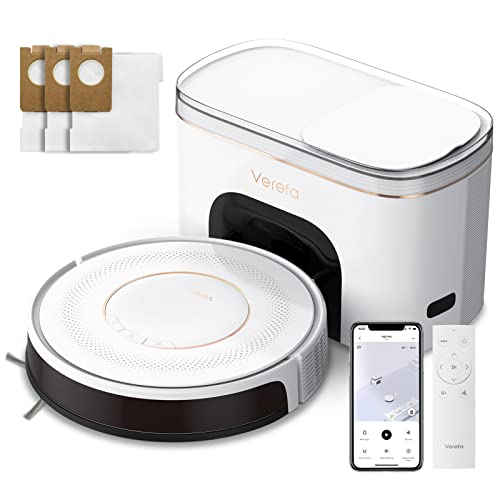 The robot's self-emptying function transfers debris from its dustbin to the base. This eliminates the need to empty the robot often. This is a useful feature that makes the robot more user-friendly.
It's more practical
One of the most significant benefits of a self-emptying robot vacuum is that it's less likely to reintroduce debris into your home after the cleaning cycle. This feature is especially useful when you have people living in your home with allergies or respiratory conditions. The debris will be kept in the base and not released into the air.
Self-emptying robots do away with the requirement to empty the dustbin after each cleaning cycle. It's not necessary to reach inside the bin to remove the dirt. Instead, you'll open the dock station's door to dump it in larger bins.
Depending on the model that you choose, the storage container needs to be emptied every 45 to 60 days. You can run the robot more often, since you don't have to worry about dirt on your hands.
Additionally, the majority of self-emptying models do away with the need to touch the contents of the bin. You'll be able to see the time when the bin is at its maximum capacity There's no need to guess.
Find models that have an app integration if you're looking to make the most of your robot. You can plan cleaning sessions, create no-go zones and more. In certain instances the app will allow you to alter settings like mopping power or suction power.
Other convenience-enhancing features that are worth considering include obstacle avoidance and object recognition. These features let the vacuum move around moving objects (like pet toys or charging cables) and make sure that the entire area is clean. We've seen a lot of innovation in this field leading brands such as Roborock boasting that their latest models can recognize and navigate a variety of obstacles. It's especially helpful for pets or children who are susceptible to tripping over toys or cable tangles.
It's less disgusting.
Robots are able to collect dust in small dustbins as they work, just like many traditional vacuums. You may need to empty this bin after two to three cleaning cycles, o.fr depending on the frequency of use and how dirty the floor is. Certain models come with a feature that allows the vacuum to move its debris into a larger storage bag that is located inside the docking station, eliminating the need for you to empty the bin manually every time you clean.
It's important to remember that dirt will still transfer into the bag, and could cause a stench to your hands. Also, you'll have to clean the trash bin when it's full, which is likely going be every few cleaning cycles.
Some robots that empty themselves can be plugged in to power outlets around the house for a thorough cleaning. This is especially beneficial in larger homes or areas where your vacuum cleaner hasn't been able reach. Certain self-emptying robotic vacuums have advanced navigational features that enable them to stay clear of obstacles, including cords that are tangled.
These advanced navigation systems often require multiple trips around your house to build a map, which allows the robot to have greater accuracy when it comes time to vacuum. They are also able to detect and skirt around problems like toys, shoes or pet waste that could otherwise confuse the machine.
Self-emptying robots can be an exciting option for those suffering from allergies, since the automated system can catch and store fine dust particles, but not release them into the air. This makes your home a healthier environment for allergy sufferers, in contrast to a standard vacuum cleaner, which releases dust particles into the air.
The most obvious benefit of an auto-emptying robot vacuum is that it can save you time and energy by automatically emptying its dust bin. The convenience factor is also a big selling point for people who are limited in mobility or have limited time. Take a look at our guide to the best self-emptying robot vacuums if interested.
It's greener
A robot vacuum that is able to self-empty itself can save you a lot of time. This type of machine has a separate container which holds dirt and debris until it's full and that means you'll have less trash to empty on a regular basis. This is a more environmentally friendly way to dispose of garbage than throwing it out and filling up the trash bin.
Another benefit of this type of robot is that they are usually designed to keep dust inside the storage bag or bin which means you don't need to worry about dust getting back into your home. This is a great benefit for people with allergies since it allows them to better control allergens that are present in their home.
Although you can find robotic vacuums that don't have an auto-emptying dock We've observed that they are a bit more frustrating to use since they require you to empty the container after every cleaning session. This is especially the case if you reside in a large house because it can be difficult to use the robotic vacuum without an auto-emptying dock when your cleaning schedule requires multiple trips per day.
The CHOICE small appliance team has tested a variety of self-emptying vacuums and discovered that they are more efficient and efficient. A lot of these models provide a variety of useful features, such as a mobile app that lets you know how your home is kept clean in real time; the ability to designate zones that are 'no-go' and alter the suction power as well as an error alert system that can send you a notification when your bot is struggling or running out of power.
Some models, such as the Shark AI Robot Self-Empty, come with a unique HEPA 60-day capacity base that collects and traps dirt and allergens. This is a fantastic choice for families that have pets or young children, since it ensures that air in your home is cleaner than it would be otherwise.
Some of the models that we've tested come with mopping capabilities as well which is useful to keep your floors in tip-top form. These robots make use of microfibre pads that are soaked by a tank of water at the base of their structure. Some robots can even steer clear of obstacles like tangled lamp cords and pet waste.
It's more expensive
The self-emptying function on robot vacuum with self empty vacuums can increase the total cost of the device. But, the extra cost is well worth it if you don't wish to constantly keep emptying the bin of your robot vacuum after every use. It also prevents issues like overfilling the bin with rubbish and clogs, which will hinder the performance of the vacuum as time passes. In addition to making your life easier, it increases the lifespan of the device, making sure it is working effectively for the duration of time you own it.
Self-emptying machines typically have a large docking station that doubles as a trashcan as well as a charging station for the machine. They can store months or even years of trash without the need to be cleaned. This provides you with peace of mind and frees up your time to concentrate on other tasks of the week or during the day.
These stations are simpler to use than onboard bins that can be difficult to open. They have an opening with a handle or pull tab that makes it easy to dump the waste. Depending on the size of your home and how often you use the robot, the base can require emptying up to twice per cleaning cycle. Many of these bases double as charging docks, which makes them a cost-effective method to make the most of your robot vacuum purchase.
It's worth mentioning that self-emptying robots can still require some care from you, like emptying the onboard bin and wiping the sensors clean. It's less frequent than maintenance for self-emptying robots that don't.
Another thing to bear in mind when thinking about a self-emptying robot vacuum is that these units tend to be a bit heavier and require more space than traditional robot vacuum docks. This can be a challenge when you want to hide the robot vacuum in an obscure corner of your home. It seems that manufacturers are paying more attention to design lately as we can see in the most recent Roomba j7+ and Roborock Q5. Both have elegant canister designs compared to older models with a modern matte ribbed finish as well as a leather pull tabs for opening the lid.
Many of the top robotic vacuum self emptying vacuums have self-emptying bases which can go months without needing to be empty. They are especially beneficial for those with pets or small children, as well as for those who have difficulty keeping their floors clean.
The robot's self-emptying function transfers debris from its dustbin to the base. This eliminates the need to empty the robot often. This is a useful feature that makes the robot more user-friendly.It's more practical
One of the most significant benefits of a self-emptying robot vacuum is that it's less likely to reintroduce debris into your home after the cleaning cycle. This feature is especially useful when you have people living in your home with allergies or respiratory conditions. The debris will be kept in the base and not released into the air.
Self-emptying robots do away with the requirement to empty the dustbin after each cleaning cycle. It's not necessary to reach inside the bin to remove the dirt. Instead, you'll open the dock station's door to dump it in larger bins.
Depending on the model that you choose, the storage container needs to be emptied every 45 to 60 days. You can run the robot more often, since you don't have to worry about dirt on your hands.
Additionally, the majority of self-emptying models do away with the need to touch the contents of the bin. You'll be able to see the time when the bin is at its maximum capacity There's no need to guess.
Find models that have an app integration if you're looking to make the most of your robot. You can plan cleaning sessions, create no-go zones and more. In certain instances the app will allow you to alter settings like mopping power or suction power.
Other convenience-enhancing features that are worth considering include obstacle avoidance and object recognition. These features let the vacuum move around moving objects (like pet toys or charging cables) and make sure that the entire area is clean. We've seen a lot of innovation in this field leading brands such as Roborock boasting that their latest models can recognize and navigate a variety of obstacles. It's especially helpful for pets or children who are susceptible to tripping over toys or cable tangles.
It's less disgusting.
Robots are able to collect dust in small dustbins as they work, just like many traditional vacuums. You may need to empty this bin after two to three cleaning cycles, o.fr depending on the frequency of use and how dirty the floor is. Certain models come with a feature that allows the vacuum to move its debris into a larger storage bag that is located inside the docking station, eliminating the need for you to empty the bin manually every time you clean.
It's important to remember that dirt will still transfer into the bag, and could cause a stench to your hands. Also, you'll have to clean the trash bin when it's full, which is likely going be every few cleaning cycles.
Some robots that empty themselves can be plugged in to power outlets around the house for a thorough cleaning. This is especially beneficial in larger homes or areas where your vacuum cleaner hasn't been able reach. Certain self-emptying robotic vacuums have advanced navigational features that enable them to stay clear of obstacles, including cords that are tangled.
These advanced navigation systems often require multiple trips around your house to build a map, which allows the robot to have greater accuracy when it comes time to vacuum. They are also able to detect and skirt around problems like toys, shoes or pet waste that could otherwise confuse the machine.
Self-emptying robots can be an exciting option for those suffering from allergies, since the automated system can catch and store fine dust particles, but not release them into the air. This makes your home a healthier environment for allergy sufferers, in contrast to a standard vacuum cleaner, which releases dust particles into the air.
The most obvious benefit of an auto-emptying robot vacuum is that it can save you time and energy by automatically emptying its dust bin. The convenience factor is also a big selling point for people who are limited in mobility or have limited time. Take a look at our guide to the best self-emptying robot vacuums if interested.
It's greener
A robot vacuum that is able to self-empty itself can save you a lot of time. This type of machine has a separate container which holds dirt and debris until it's full and that means you'll have less trash to empty on a regular basis. This is a more environmentally friendly way to dispose of garbage than throwing it out and filling up the trash bin.
Another benefit of this type of robot is that they are usually designed to keep dust inside the storage bag or bin which means you don't need to worry about dust getting back into your home. This is a great benefit for people with allergies since it allows them to better control allergens that are present in their home.
Although you can find robotic vacuums that don't have an auto-emptying dock We've observed that they are a bit more frustrating to use since they require you to empty the container after every cleaning session. This is especially the case if you reside in a large house because it can be difficult to use the robotic vacuum without an auto-emptying dock when your cleaning schedule requires multiple trips per day.
The CHOICE small appliance team has tested a variety of self-emptying vacuums and discovered that they are more efficient and efficient. A lot of these models provide a variety of useful features, such as a mobile app that lets you know how your home is kept clean in real time; the ability to designate zones that are 'no-go' and alter the suction power as well as an error alert system that can send you a notification when your bot is struggling or running out of power.
Some models, such as the Shark AI Robot Self-Empty, come with a unique HEPA 60-day capacity base that collects and traps dirt and allergens. This is a fantastic choice for families that have pets or young children, since it ensures that air in your home is cleaner than it would be otherwise.
Some of the models that we've tested come with mopping capabilities as well which is useful to keep your floors in tip-top form. These robots make use of microfibre pads that are soaked by a tank of water at the base of their structure. Some robots can even steer clear of obstacles like tangled lamp cords and pet waste.
It's more expensive
The self-emptying function on robot vacuum with self empty vacuums can increase the total cost of the device. But, the extra cost is well worth it if you don't wish to constantly keep emptying the bin of your robot vacuum after every use. It also prevents issues like overfilling the bin with rubbish and clogs, which will hinder the performance of the vacuum as time passes. In addition to making your life easier, it increases the lifespan of the device, making sure it is working effectively for the duration of time you own it.
Self-emptying machines typically have a large docking station that doubles as a trashcan as well as a charging station for the machine. They can store months or even years of trash without the need to be cleaned. This provides you with peace of mind and frees up your time to concentrate on other tasks of the week or during the day.
These stations are simpler to use than onboard bins that can be difficult to open. They have an opening with a handle or pull tab that makes it easy to dump the waste. Depending on the size of your home and how often you use the robot, the base can require emptying up to twice per cleaning cycle. Many of these bases double as charging docks, which makes them a cost-effective method to make the most of your robot vacuum purchase.
It's worth mentioning that self-emptying robots can still require some care from you, like emptying the onboard bin and wiping the sensors clean. It's less frequent than maintenance for self-emptying robots that don't.
Another thing to bear in mind when thinking about a self-emptying robot vacuum is that these units tend to be a bit heavier and require more space than traditional robot vacuum docks. This can be a challenge when you want to hide the robot vacuum in an obscure corner of your home. It seems that manufacturers are paying more attention to design lately as we can see in the most recent Roomba j7+ and Roborock Q5. Both have elegant canister designs compared to older models with a modern matte ribbed finish as well as a leather pull tabs for opening the lid.