 즐겨찾기 추가하기


본문
Robot Vacuum and Mop With Self-Empting Base Stations
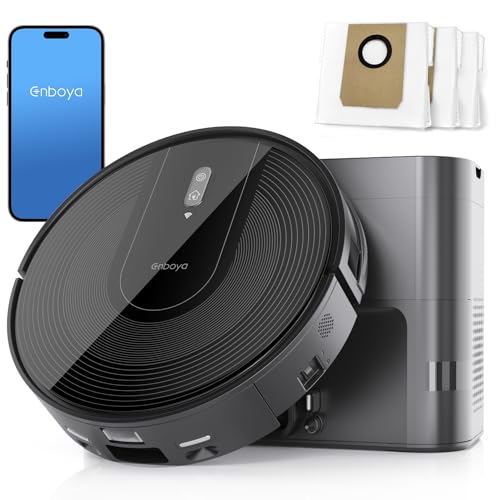 Robot vacuums and mops are an essential tool for those living busy lifestyles. They can keep your floors on a daily basis without much effort from you, aside from emptying the dust bin and cleaning the filters.
However, these machines often become stuck under furniture or get caught on thick area rugs. They can also become stuck in cords, shoelaces as well as pet toys.
Auto-emptying feature
You can cut down on time by using a robotic vacuum that automatically empty its dust bin at the conclusion of each cleaning cycle. This feature also makes it possible to utilize your robot vacuum more frequently which can enhance the quality of your floors and help you keep up with your cleaning chores.
Automating your home's cleaning will free up your time for more important tasks such as spending time with your loved ones or finishing an extensive project. robot Vacuum and Mop self empty vacuums and mop systems that self-empty are excellent option for those who want to get their homes cleaned without having to touch anything.
The most effective robotic vacuums, mops and cleaners are equipped with sensors that map out your house to ensure precise navigation. They can be controlled via smartphones or voice assistants like Alexa. They can work on different kinds of floors and come with convenient cleaning modes like Auto, which sends the cleaner around the home or a specific spot cleaning zone, or Edge mode which cleans the perimeter of the room.
If you're looking for more control, you should look for models that have obstacle avoidance technology that will skirt around problem objects like cords, furniture that gets tangled, and pet waste. We've tested a lot of these robots that claim to eliminate obstacles, and they've been generally successful.
There are also hybrid models with features like app-controlled power settings and schedules. Our top pick is the DEEBOT OMNI, which has a huge all-in-one base station, which charges and connects to series of vacuums that draw dirt from the robot's dustbin and dumps it into a bigger storage bin. The base can be empty every 30 or 60 days, rather than every two or three cleaning cycles.
While many of our preferred robot vacuum and mop self-emptying systems are pricey, they're worth it for their advanced automation and the ability to adapt to your schedule. Look for a system with easy setup and maintenance including charging, water tank filling and emptying, and pad replacement or removal. Look for a longer battery life especially if your house is larger.
Less intervention is required.
In contrast to traditional vacuum cleaners robots don't require manual manipulation to operate. They are equipped with sensors that allow them to navigate through your house and clean every surface without getting stuck or caught up in furniture. They come with an internal storage system that collects dirt and debris as you clean. Typically, you'll need to empty the waste bin every two or three weeks, depending on your home size and the condition of the floors. If you select a model that has an automatic emptying station, you will not need to empty the bin as frequently. This will allow you to run the robot cleaner more often, making your floors tidy.
In addition to being less demanding for your back, robotic vacuums can be much more efficient in cleaning than standard vacuums. This is important for people who suffer from mobility issues since they might not be able to lift heavy objects and then vacuum them. Robots are also better at reaching hard-to-access areas which is helpful when you have lots of furniture in your home, or carpeting that is thick.
Aside from being more efficient, robots also save you a lot of time. For example, a standard vacuum cleaner can take a long time to clean a large home however, a robot can complete the task in half the time. Robots can also take care of messes which are difficult to clean manually such as pet hair and sticky spills.
Many robots have advanced navigational systems that create virtual maps of your home. They use sensors for maneuvering around furniture. They can recognize obstacles and stairs. Most robots will work even when you're not there so there's no need to worry about battery life. Some models also come with smart features, such as the iRobot Roomba j7, which can draw an accurate map of your home and create virtual "no-go" zones.
Despite the fact that robots have powerful navigation systems, it's still common for them to be stuck under furniture or getting tangled with shoes, socks, and chargers for phones. This can cause them to pause during cleaning, which could result in your floors being less than tidy. Fortunately, some robots can prevent this from happening by using their smart technology to anticipate obstacles and avoid them.
More time for cleaning
Many robot vacuums are equipped with sensors that allow them to automatically adjust to different floor surfaces. They are able to clean more thoroughly and robot vacuum and mop self Empty prevent damage. They also can detect obstacles and stairs and avoid them to avoid falls or accidents. Some models can even be programmed to start cleaning while you are away from your home.
Some models have an integrated mopping function that uses the water tank to dampen the pad and then clean your floor. This is particularly useful for floors made of hard materials like hardwood, linoleum and tile.
The majority of robotic vacuums and mop models that self empty can be controlled with an app on your smartphone that displays the map of your home, shows progress and lets you set up no-mopping zones, or virtual walls to stop the robot from going into areas it shouldn't. Certain models come with a built-in webcam. You can monitor it remotely or set it to run when you're not home.
Our lab tests have demonstrated that robot vacuums are not as effective as barrel or stick vacs in taking away dust and debris. They are also unable to climb stairs and can miss spots. We recommend that your robot vacuum be cleaned regularly to maintain a healthy home environment.
Certain robots come with the power of 8,000Pa and powerful edge cleaners that are capable of picking dirt, pet fur dust, and other particles on flooring made of wood, carpet, area rugs and concrete. With the auto-emptying feature, they can make a real impact on your living space and keep your home cleaner for longer.
Better cleaning results
The best self-emptying robot vacuum and mop robot vacuums can get rid of most dirt, dust pet fur, spills and other debris in one go. They have excellent navigation systems and can work around furniture without getting stuck. They also come with advanced features like multi-surface brushes and a range of cleaning modes to select from. They can also be controlled by voice assistants like Alexa and Google Assistant for extra convenience.
The downside of these robot cleaners is that they can be quite loud. Many robot vacuums emit loud, booming noise every time they empty their dustbin and the sound of debris being transferred from the dustbin to the dock could be alarming for those who live in small houses or in apartments that share walls with neighbours.
Mopping robots can also create a lot of noise as they transfer water from their tanks to the cleaning pads. This can be a concern if you have pets or children who are easily disturbed by noises of machinery. Some robot mops allow you to switch off the loud transfer feature, or simply switch to mopping mode.
These cleaners aren't able to clean as well as their traditional barrel and stick vacuum counterparts. Depending on your flooring and layout, they may be unable to remove every pet hair or speck. They might also have trouble getting around tight spaces or climbing stairs.
Despite these issues, a robot vacuum and mop that self-empty could be an excellent choice for homes with a few. For most people, the convenience of having a mop or vacuum that self empty robot vacuum-empty can be worth the slight sacrifice in cleaning performance. Be sure to to thoroughly clean and maintain your mop or robot vacuum before using it for your home. If you are relying on your robot mop or vacuum to complete the dirty work for you, make sure to schedule cleanings more often than every other day.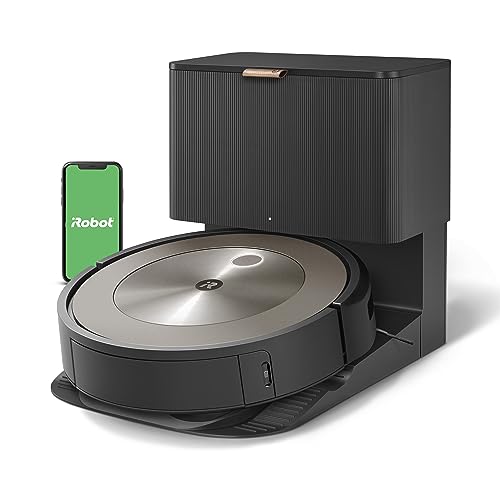
Robot vacuums and mops are an essential tool for those living busy lifestyles. They can keep your floors on a daily basis without much effort from you, aside from emptying the dust bin and cleaning the filters.However, these machines often become stuck under furniture or get caught on thick area rugs. They can also become stuck in cords, shoelaces as well as pet toys.
Auto-emptying feature
You can cut down on time by using a robotic vacuum that automatically empty its dust bin at the conclusion of each cleaning cycle. This feature also makes it possible to utilize your robot vacuum more frequently which can enhance the quality of your floors and help you keep up with your cleaning chores.
Automating your home's cleaning will free up your time for more important tasks such as spending time with your loved ones or finishing an extensive project. robot Vacuum and Mop self empty vacuums and mop systems that self-empty are excellent option for those who want to get their homes cleaned without having to touch anything.
The most effective robotic vacuums, mops and cleaners are equipped with sensors that map out your house to ensure precise navigation. They can be controlled via smartphones or voice assistants like Alexa. They can work on different kinds of floors and come with convenient cleaning modes like Auto, which sends the cleaner around the home or a specific spot cleaning zone, or Edge mode which cleans the perimeter of the room.
If you're looking for more control, you should look for models that have obstacle avoidance technology that will skirt around problem objects like cords, furniture that gets tangled, and pet waste. We've tested a lot of these robots that claim to eliminate obstacles, and they've been generally successful.
There are also hybrid models with features like app-controlled power settings and schedules. Our top pick is the DEEBOT OMNI, which has a huge all-in-one base station, which charges and connects to series of vacuums that draw dirt from the robot's dustbin and dumps it into a bigger storage bin. The base can be empty every 30 or 60 days, rather than every two or three cleaning cycles.
While many of our preferred robot vacuum and mop self-emptying systems are pricey, they're worth it for their advanced automation and the ability to adapt to your schedule. Look for a system with easy setup and maintenance including charging, water tank filling and emptying, and pad replacement or removal. Look for a longer battery life especially if your house is larger.
Less intervention is required.
In contrast to traditional vacuum cleaners robots don't require manual manipulation to operate. They are equipped with sensors that allow them to navigate through your house and clean every surface without getting stuck or caught up in furniture. They come with an internal storage system that collects dirt and debris as you clean. Typically, you'll need to empty the waste bin every two or three weeks, depending on your home size and the condition of the floors. If you select a model that has an automatic emptying station, you will not need to empty the bin as frequently. This will allow you to run the robot cleaner more often, making your floors tidy.
In addition to being less demanding for your back, robotic vacuums can be much more efficient in cleaning than standard vacuums. This is important for people who suffer from mobility issues since they might not be able to lift heavy objects and then vacuum them. Robots are also better at reaching hard-to-access areas which is helpful when you have lots of furniture in your home, or carpeting that is thick.
Aside from being more efficient, robots also save you a lot of time. For example, a standard vacuum cleaner can take a long time to clean a large home however, a robot can complete the task in half the time. Robots can also take care of messes which are difficult to clean manually such as pet hair and sticky spills.
Many robots have advanced navigational systems that create virtual maps of your home. They use sensors for maneuvering around furniture. They can recognize obstacles and stairs. Most robots will work even when you're not there so there's no need to worry about battery life. Some models also come with smart features, such as the iRobot Roomba j7, which can draw an accurate map of your home and create virtual "no-go" zones.
Despite the fact that robots have powerful navigation systems, it's still common for them to be stuck under furniture or getting tangled with shoes, socks, and chargers for phones. This can cause them to pause during cleaning, which could result in your floors being less than tidy. Fortunately, some robots can prevent this from happening by using their smart technology to anticipate obstacles and avoid them.
More time for cleaning
Many robot vacuums are equipped with sensors that allow them to automatically adjust to different floor surfaces. They are able to clean more thoroughly and robot vacuum and mop self Empty prevent damage. They also can detect obstacles and stairs and avoid them to avoid falls or accidents. Some models can even be programmed to start cleaning while you are away from your home.
Some models have an integrated mopping function that uses the water tank to dampen the pad and then clean your floor. This is particularly useful for floors made of hard materials like hardwood, linoleum and tile.
The majority of robotic vacuums and mop models that self empty can be controlled with an app on your smartphone that displays the map of your home, shows progress and lets you set up no-mopping zones, or virtual walls to stop the robot from going into areas it shouldn't. Certain models come with a built-in webcam. You can monitor it remotely or set it to run when you're not home.
Our lab tests have demonstrated that robot vacuums are not as effective as barrel or stick vacs in taking away dust and debris. They are also unable to climb stairs and can miss spots. We recommend that your robot vacuum be cleaned regularly to maintain a healthy home environment.
Certain robots come with the power of 8,000Pa and powerful edge cleaners that are capable of picking dirt, pet fur dust, and other particles on flooring made of wood, carpet, area rugs and concrete. With the auto-emptying feature, they can make a real impact on your living space and keep your home cleaner for longer.
Better cleaning results
The best self-emptying robot vacuum and mop robot vacuums can get rid of most dirt, dust pet fur, spills and other debris in one go. They have excellent navigation systems and can work around furniture without getting stuck. They also come with advanced features like multi-surface brushes and a range of cleaning modes to select from. They can also be controlled by voice assistants like Alexa and Google Assistant for extra convenience.
The downside of these robot cleaners is that they can be quite loud. Many robot vacuums emit loud, booming noise every time they empty their dustbin and the sound of debris being transferred from the dustbin to the dock could be alarming for those who live in small houses or in apartments that share walls with neighbours.
Mopping robots can also create a lot of noise as they transfer water from their tanks to the cleaning pads. This can be a concern if you have pets or children who are easily disturbed by noises of machinery. Some robot mops allow you to switch off the loud transfer feature, or simply switch to mopping mode.
These cleaners aren't able to clean as well as their traditional barrel and stick vacuum counterparts. Depending on your flooring and layout, they may be unable to remove every pet hair or speck. They might also have trouble getting around tight spaces or climbing stairs.
Despite these issues, a robot vacuum and mop that self-empty could be an excellent choice for homes with a few. For most people, the convenience of having a mop or vacuum that self empty robot vacuum-empty can be worth the slight sacrifice in cleaning performance. Be sure to to thoroughly clean and maintain your mop or robot vacuum before using it for your home. If you are relying on your robot mop or vacuum to complete the dirty work for you, make sure to schedule cleanings more often than every other day.